What to do in Porto: A Slow Travel Guide to Portugal's Most Soulful City

What to Do in Porto: A Slow Travel Guide to Portugal’s Most Soulful City

Port wine, colourful azulejo tiles and golden sunsets over the Douro River. Porto is a city best explored slowly. In this guide, we share the best things to do in Porto – from historic streets and wine tastings to a scenic day trip into the vineyards of the Douro Valley.

Text & photo // Cecilie Høgh

journalist

This article includes affiliate links which means if you click on the links and make a valid purchase, we receive a small commission at no extra cost to you. However, our commitment to providing objective information remains our top priority. 

Port wine, colourful azulejo tiles and golden sunsets over the Douro River. Porto is one of those rare European cities where history, flavour and atmosphere seem to melt into one unforgettable experience. Unlike many other city destinations, Porto is not a place you rush through. It is a place to wander. To sit down for an extra coffee. To watch the light change over the rooftops of the Ribeira district while the sound of glasses clinking drifts across the river.

I have travelled across everything from tropical islands in Southeast Asia to campervan road trips through Northern Europe. Yet Porto still ranks among the most charming cities we have visited in Europe. And I believe you will like this little Portuguese charming city too. 

So if you are wondering what to do in Porto this slow travel guide will take you through my favourite experiences across three unforgettable days in Portugal’s second-largest city. 

Why Porto is perfect for Slow Travel

Porto is a city that rewards curiosity — and time. The historic centre of Porto, a UNESCO World Heritage Site, is a maze of narrow cobbled streets, tiled churches and historic buildings that seem to reveal new details around every corner. Walking through the old town feels like stepping into another era, where centuries of Portuguese history unfold slowly through architecture, food and everyday life.

But what makes Porto truly special for mindful travellers is the rhythm of the city.

Start the morning with a quiet coffee and a warm pastel de nata at a small café on Rua de Santa Catarina, or join locals browsing the stalls at Mercado do Bolhão, where farmers from northern Portugal sell fresh produce, cheeses and olives. From there, wander slowly through the historic centre to admire the blue azulejo tiles at São Bento railway station, one of the most beautiful train stations in Europe.

Later in the day, cross the iconic Dom Luís Bridge and take a moment halfway across to enjoy one of the best views over the Douro River and the colourful houses of the Ribeira district. On the other side in Vila Nova de Gaia, you can sit down at one of the terraces overlooking the river and enjoy a slow wine tasting at the historic port wine cellars.

Mindful travel in Porto can also mean taking part in local traditions — like painting your own tile during an azulejo workshop, joining a relaxed walking tour through the old neighbourhoods, or listening to the melancholic tones of a traditional fado show in the evening.

And when the day winds down, there are few better places to pause than Jardim do Morro, where locals gather to watch the sunset over the rooftops of Porto while the Douro River glows in golden light.

In Porto, it is my my experience that slow travel is not something you have to “plan” — it is simply the natural way the city unfolds. 

👉 Planning your trip? Find the best hotels in Porto here.

What to do in Porto

3 slow moments to experience in Porto

Some cities are meant to be seen quickly. Porto is not one of them. This is a place where the best memories often happen in the pauses between the famous sights — in the quiet streets, over a glass of wine, or while watching the Douro River flow slowly past the colourful houses of Ribeira. If you want to experience Porto in a more mindful way, these are the moments I recommend slowing down for.

Start the day with yoga by the Douro River

One of the most beautiful ways to begin a morning in Porto is with a gentle yoga session overlooking the Douro River.
In the early hours, the city is still quiet. The light slowly reflects on the water while locals walk along the riverfront and cafés begin to open their doors.
Whether you join a guided yoga class or simply bring a mat to one of the green spaces near the river, practicing yoga here becomes more than just exercise — it becomes a moment to reconnect with the rhythm of the city.

Walk along the Atlantic coast in Foz do Douro

If you want to combine movement with fresh sea air, head to Foz do Douro, where the Douro River meets the Atlantic Ocean. The long seaside promenade is perfect for a mindful walk, a bike ride or even a quiet meditation break while listening to the waves. It is one of the best places in Porto to escape the busy city centre and recharge your energy.

Find a quiet garden in the city

Porto also has several peaceful green spaces where you can slow down for a moment. Jardim do Morro and Jardins do Palácio de Cristal offer beautiful viewpoints, quiet paths and plenty of space to sit with a book, stretch or simply enjoy the scenery.
Sometimes the most nourishing travel moments happen when you stop moving for a while. 

Day 1: Wine, river views and Porto's historic soul

For many travellers visiting Portugal’s second city, the first day in Porto quickly becomes a favourite. The city unfolds slowly along the Douro River, revealing historic buildings, tiled façades and narrow streets that wind through the old town, a UNESCO World Heritage Site filled with centuries of Portuguese history.

If this is your first time in Porto, the best way to begin is simply by walking. The historic city centre is compact, and many of the best things to do are located within a short walk of each other. Over the course of the day, you will move from elegant cafés to historic landmarks, across one of the famous bridges of Portugal and finally to the riverfront where Porto’s famous wine culture comes to life.  

This is what to do in Porto day 1 (taking you through these below)
–  Pastel de Nata at Cafe Majestic
– Walk the historic streets 
– Ribeira Districts  
– Wine tasting in Vila Nova de Gaia
– Dom Luís Bridge 
– Relax along the riverside promenade 
– Sunset at Jardim Do Morro

1. Start the morning with a Pastel de Nata at Cafe Majestic

When you wake up on your first morning in Porto, there is one rule worth following:

You are allowed to eat cake for breakfast.

In Portugal locals often start their day with a strong espresso and a small pastry called pastel de nata. Imagine a crisp puff pastry shell filled with velvety vanilla custard, finished with a lightly caramelised top and a sprinkle of cinnamon. The combination of sweet custard and flaky pastry makes it one of the most beloved pastries in northern Portugal, and you will find it everywhere from bakeries to elegant cafés.

One of the most iconic places to try pastel de nata in Porto is Café Majestic, located on the lively shopping street Rua de Santa Catarina in the heart of the city centre.

Stepping inside Café Majestic feels like travelling back in time. The café first opened its doors in 1921 and has since become one of the most famous cafés in the city of Porto. Ornate mirrors line the walls, mahogany panels frame the room and sparkling chandeliers hang from the ceiling. The polished wooden floors, elegant glass windows and historic interior make it feel more like a grand salon than a café.

Take a moment to sit inside if possible — the interior is what makes this place truly special. Many travellers pass by quickly, but lingering here is the best way to start your first trip to Porto.

Order a pastel de nata and a strong Portuguese espresso and enjoy the atmosphere. Watching the morning life of the city center unfold around you is a wonderful introduction to Porto’s café culture. Outside, shoppers walk along Rua Santa Catarina, while inside the café waiters move gracefully between marble tables serving pastries and coffee.

Well, this is more than just a cake and a breakfast, this is a true step back into the early 20th century.

Where to stay in Porto?

Finding the right place to stay in Porto can completely shape your experience. 

Find the best hotels in Porto here

Personally I think the best areas to stay if you are in Porto for a limited amount of time:
– Ribeira for historic & scenic views
– Cedofeita if you are into a local & creative vibe
– Vila Nova de Gaia for river views & wine cellars

Ready to check availability and prices in Porto? I got you here! 

2. Walk through Porto's historic streets toward the Douro River

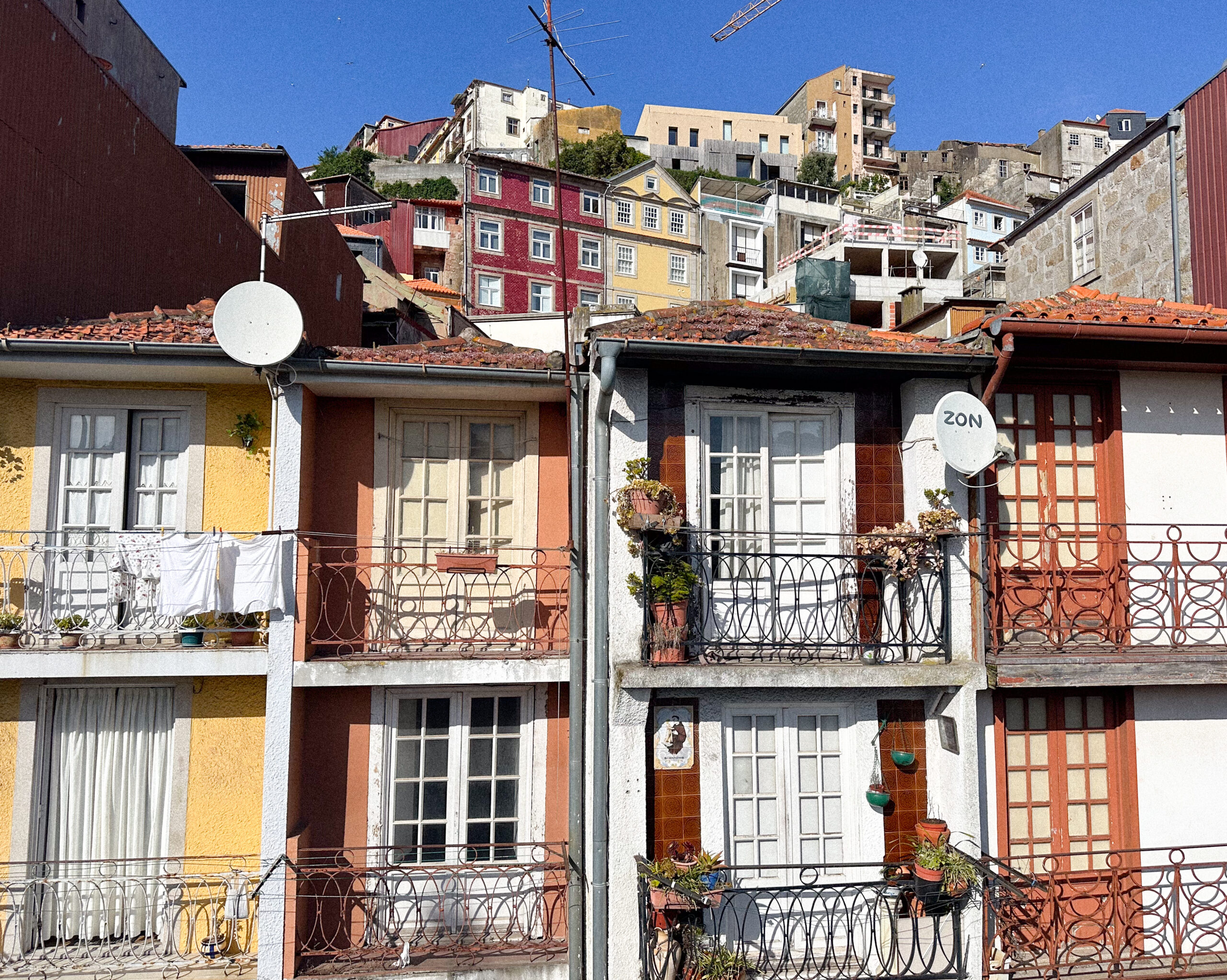
After breakfast, begin exploring the old town on foot. Porto’s historic centre is filled with narrow streets, steep hills and colourful houses that climb up the riverbanks.

One of the best things about Porto is that many of the tourist attractions are located within walking distance of each other. From your visit to Café Majestic you can easily stroll through the historic streets toward landmarks like São Bento railway station – and really, this is without doubt one of the most beautiful train stations in Europe.

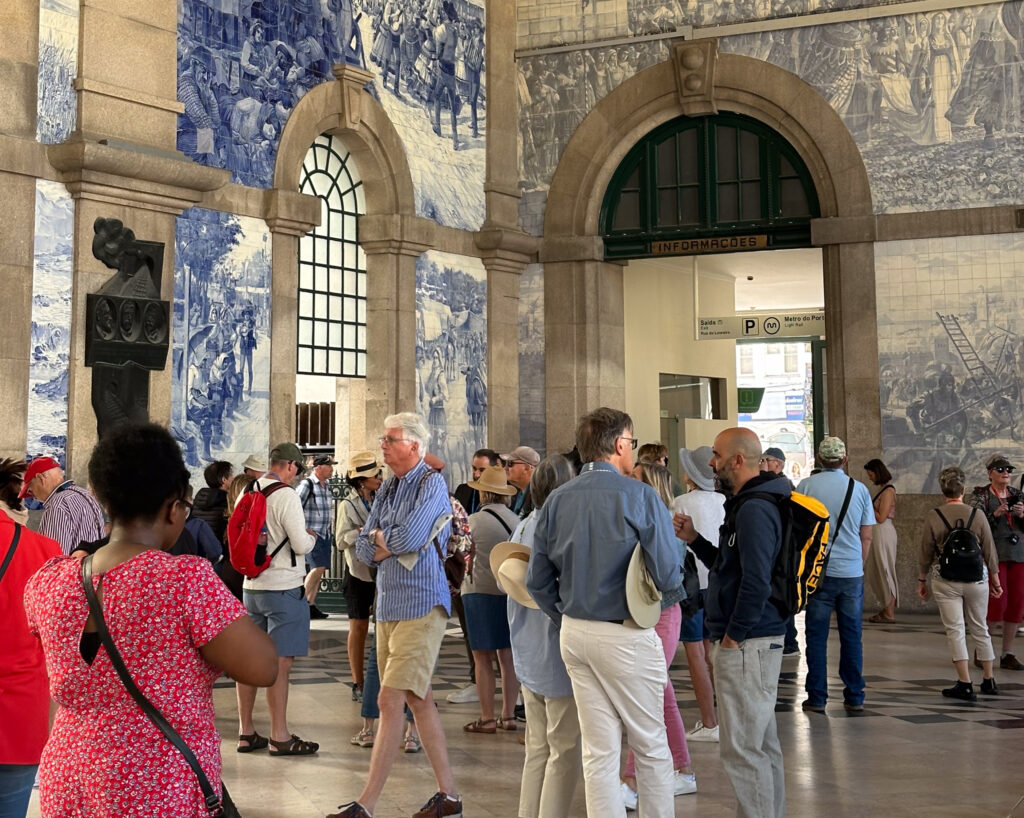
Inside the entrance hall of São Bento train station, more than 20,000 blue and white azulejo tiles decorate the walls. These hand-painted tiles illustrate scenes from Portuguese history, including royal ceremonies, battles and rural life in northern Portugal. The tile panels date back to the early 20th century and have become one of the most photographed places in the city.

Continue your walking tour through the historic centre and you will soon pass other architectural highlights such as Capela das Almas, a church covered almost entirely in blue azulejo tiles that depict religious scenes. It is one of the most striking examples of the tile tradition that Portugal is famous for.

Nearby you will also find Livraria Lello, often described as one of the most beautiful bookstores in the world. The interior features a dramatic grand staircase, stained glass windows and intricate wooden carvings. Many visitors believe that the bookstore inspired J.K. Rowling when she lived in Porto while writing the early Harry Potter books.

Even if you only stop briefly, it is one of the most beautiful places to visit in the city of Porto. From here, continue walking downhill toward the Ribeira district, one of the oldest neighbourhoods in Porto.

Porto Portugal historic streets

3. Ribeira District - Explore the heart of Porto

The colourful Ribeira district sits directly along the Douro River and is widely considered the heart of Porto.

Rows of brightly painted houses line the riverfront while restaurants and coffee shops fill the cobbled streets behind them. The atmosphere here is lively throughout the day, but especially in the afternoon when locals and travellers gather along the waterfront.

The riverfront promenade known as Cais da Ribeira is one of the best places to experience the historic charm of the city. Old merchant houses stand side by side, their balconies decorated with laundry lines and flower pots.

Take your time here. Find a café terrace, watch the boats move slowly along the river and enjoy the rhythm of the neighbourhood.

This part of Porto perfectly captures the character of the second-largest city in Portugal — vibrant, historic and full of life. Ahh I love it sooo much here.  

👉 Convinced to go to Porto? Here you will find the best hotels in Porto.

4. Cross Dom Luís Bridge

Towering above the Douro River is one of Porto’s most iconic landmarks: Dom Luís I Bridge. The iron bridge, often simply called Dom Luís, was completed in the late 19th century. The structure has two levels — an upper level used by the metro line and pedestrians, and a lower level used by cars and pedestrians. Walking across the bridge is one of the best ways to experience Porto and get an overview of the different areas of the city.

From the upper level, the views stretch across the old town, the colourful houses of Ribeira and the winding Douro River below. It is one of the best views in Porto and a perfect spot for photos.

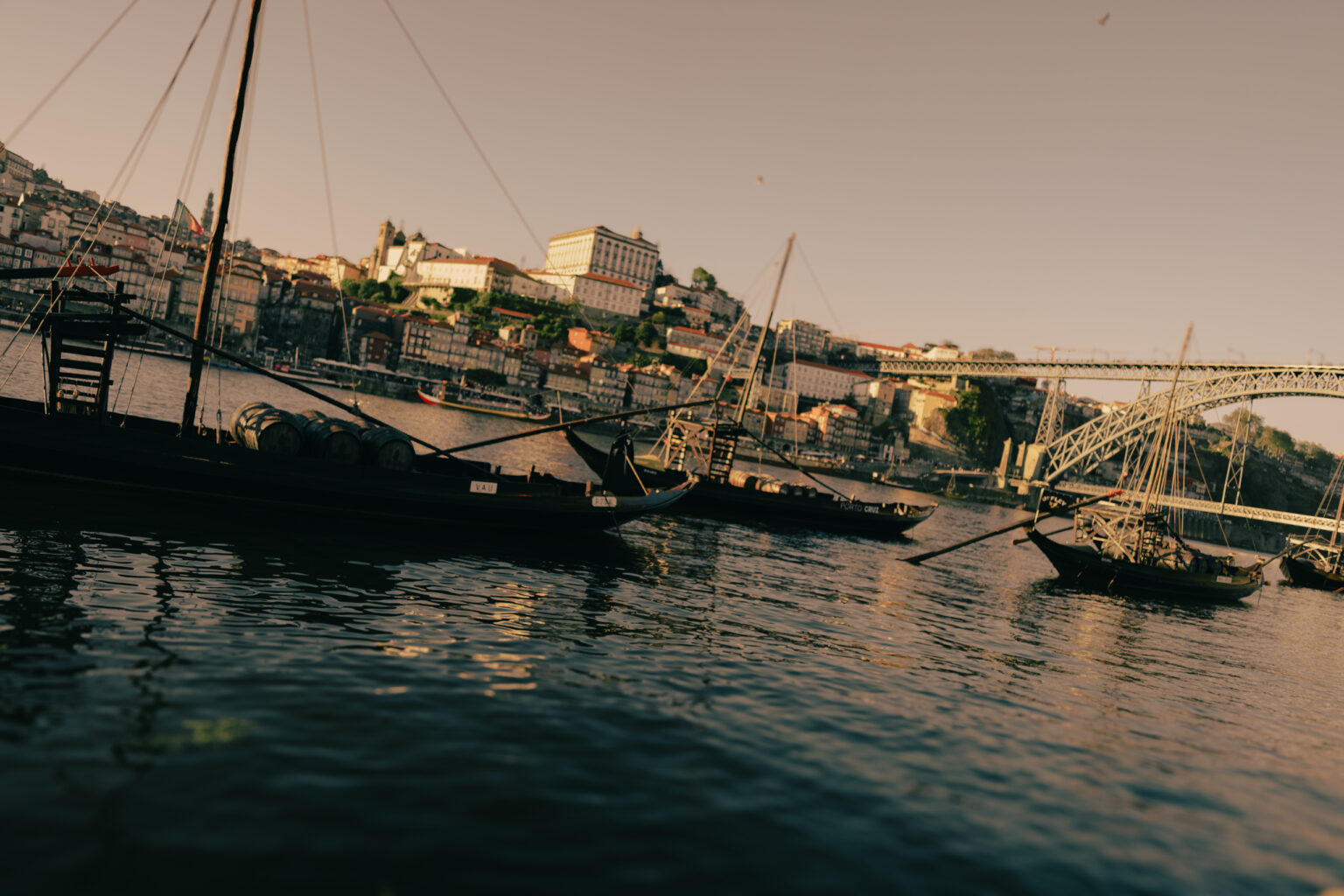
Halfway across the bridge, pause for a moment and take in the view. The rooftops of Porto spread across the hillsides, while traditional rabelo boats glide along the river below.

Crossing Dom Luís Bridge feels like stepping from one chapter of Porto’s story into another. On the other side of the river lies Vila Nova de Gaia, home to Porto’s legendary wine culture – an area you need to explore too when in Porto – it’s super charming!

5. Go wine tasting in Vila Nova de Gaia

Across the river from Porto lies Vila Nova de Gaia, where the famous port wine cellars have been storing barrels of wine for centuries. Although the grapes used for port wine are grown in the nearby Douro Valley, the wines are traditionally aged here in Gaia. The cooler climate along the river makes it the perfect place for storing the barrels. And even if you only have a tiny interest in wine (or just like to drink it 😉 ) this is be a wonderful experience in Porto. 

Today the area of Gaia is home to dozens of historic port houses, many of which offer guided tours and wine tasting experiences. Joining a guided tour is one of the best things to do in Porto. During the visit you will walk through historic warehouses filled with massive oak barrels and learn how port wine is produced. The guides explain the different styles of port wine — from young ruby wines to complex aged tawny ports — while sharing stories about the long history of wine production in the Douro Valley, one of the oldest demarcated wine regions in the world.

During our visit we tasted several varieties of port wine, had a great insight into the history of Porto but at the same time we meet a couple of interesting visitors from the US and Bulgaria. We had a tour and afterwards we sat down at a long table enjoying our tasting and chatted for hours.

If you want to explore Porto’s wine culture in depth, joining a guided tour of the historic port wine cellars in Vila Nova de Gaia is one of the best things to do in Porto. During the visit you will walk through centuries-old cellars, learn about the production process and enjoy a traditional wine tasting overlooking the Douro River.

Book your wine cellar tour here. We attented this one!

6. Relax along the riverside promenade

After your wine tasting, slow down for a while along the riverfront in Vila Nova de Gaia. The promenade stretches along the river directly opposite the Ribeira district, offering beautiful views back toward the colourful houses of Porto.

This area is filled with cafés, local restaurants, wine bars and terraces overlooking the water. It is a great place to sit for a while with a drink and enjoy the atmosphere. Personally it was wonderful weather during my visit and for that reason it was so appealing to sit down  by the riverfront, have a cold beverage and take a light nap to the sound of the river wavesplash for an hour before the adventure in the area continued.

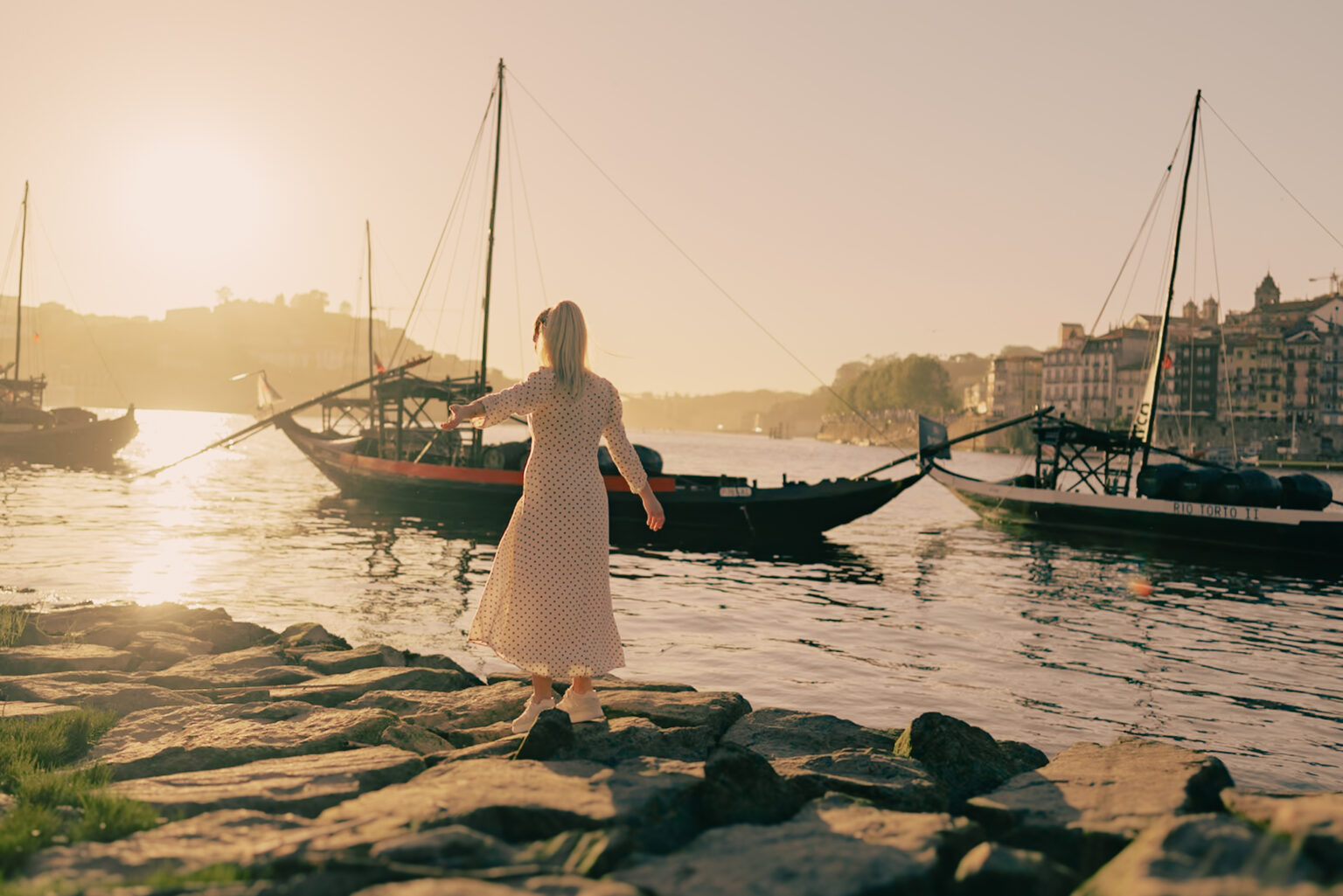
Along the river you will see traditional wooden rabelo boats, which were once used to transport barrels of port wine from the Douro Valley downriver to the wine cellars.

Watching the boats gently move along the water while the afternoon sun lights up the buildings of Porto is one of the most relaxing moments of the day.

If you feel like exploring further, you can even take a short boat trip along the Douro River, passing under several of Porto’s famous bridges while learning more about the history of the city. Enjoy! 

visit and relax at the river side at douro river porto

7. Sunset at Jardim Do Morro

End your first day in Porto with one of the most unforgettable experiences in the city: sunset at Jardim do Morro.

Located on a steep hill above Vila Nova de Gaia, this small park offers panoramic views of Porto’s skyline, the Douro River and the iconic Dom Luís Bridge.

You can either walk uphill from the riverfront or take the cable car that connects the riverfront promenade with the top of the hill. As evening approaches, locals and travellers gather here with drinks, music and friends to watch the sunset over Porto.

The sky slowly turns shades of orange and pink while the rooftops of the old town glow in the fading light. Down below, the lights of the city begin to reflect in the river. And to be honest, this is the the perfect spot to pause after a day of exploring Porto. As the sun disappears behind the hills of northern Portugal, you will understand why Porto has become one of the most beloved city breaks in Europe.  

Now, sleep well and let’s continue the exploring at day 2 in Porto! Below I will guide you to more things to do in Porto – and this will be something else! 

What to do in Porto Portugal Ribeira district, Dom Luis bridge Douro Valley Azulejos

Day 2 in Porto: Tiles, culture and hidden streets

After a first day spent along the Douro River, tasting port wine and watching the sunset from Vila Nova de Gaia, the second day in Porto is all about diving deeper into the culture of the city.

Today you will explore the artistic soul of Porto — its famous azulejo tiles, historic landmarks and hidden streets that tell stories about Portuguese history and everyday life in northern Portugal.

This is also the perfect day to slow down and experience the more creative side of the city of Porto, from colourful brunch cafés to traditional music and artisan workshops.

This is what to do in Porto day 2 
(continue reading for this) 

–  Breakfast at one of the lovely breakfast spots & explore azulejos tiles
– Sao Bento Railway Station
– Tiled Churches
– Livraria Lello
– Create your own tiles at a Azulejo workshop
– Traditional fado show and dinner

8. Breakfast spot & azulejo tiles in Porto

Start the day slowly with breakfast at one of Porto’s vibrant brunch cafés. Over the past few years, the city centre has seen an explosion of creative cafés and coffee shops where locals and travellers gather in the mornings. Many of these cafés focus on lovely fresh ingredients and beautifully presented dishes, making them a perfect place to begin your day before exploring the historic streets of Porto.

One of my favourite more modern, international spots is Zenith Brunch & Cocktails, located just a short walk from the historic centre. Here you will find everything from colourful smoothiebowls and fluffy pancakes to avocado toast and freshly brewed specialty coffee. It is a lively place in the morning and a great way to start the day with something nourishing. Go try their acaibowl! 

Another wonderful option is Época Café, a cosy café known for its focus on seasonal ingredients and fresh produce. The menu often changes depending on what is available locally, but you might find homemade granola, sourdough toast with eggs or beautifully plated breakfast bowls. The relaxed atmosphere makes it a good place to linger for a while before heading out to explore the old townIf you prefer something quick and simple, Combi Coffee Roasters is a popular place among locals. Their specialty coffee and minimalist design make it one of the most beloved coffee shops in Porto.

Watching the morning life unfold outside the café windows is often just as enjoyable as the meal itself. After breakfast, spend the morning exploring Porto’s old town, one of the most atmospheric areas in Portugal’s second city. The historic centre of Porto is a UNESCO World Heritage Site, and the best way to experience it is simply by wandering through the narrow streets that wind through the city. Colourful houses lean slightly toward each other above cobbled lanes, laundry hangs from balconies and small shops open their doors to the street. Around every corner you will find historic buildings, small cafés and hidden viewpoints overlooking the rooftops of Porto. Ahh I love this city!

One of the most striking elements of Porto’s architecture is its famous azulejo tiles. Something you really cannot miss taking a deeper look at when in Porto.  These decorative ceramic tiles have been used across Portugal for centuries and are one of the most recognisable elements of Portuguese history and design. The blue and white tiles often depict religious scenes, historical events or intricate geometric patterns.

You will notice azulejo tiles everywhere in Porto — covering church façades, decorating public buildings and even lining the walls of train stations. Go explore! 

9. Visit São Bento Railway station

One of the most famous examples of azulejo art can be found inside São Bento railway station, located in the city centre. From the outside, the station appears relatively simple, but once you step inside the entrance hall, the view is breathtaking.

More than 20,000 hand-painted azulejo tiles cover the walls of the station, illustrating scenes from Portuguese history including royal ceremonies, battles and rural life in northern Portugal.

It is no surprise that São Bento train station is often listed among the most beautiful trainstations in the world. Standing in the entrance hall and looking up at the intricate tile panels is like stepping into a living museum. Even if you are not planning to take a train, visiting São Bento railway station is absolutely worth visiting.

Railway Station Porto Tiles

10. Discover Porto's tiled churches

As you continue exploring the historic centre, you will come across several churches decorated with azulejo tiles. One of the most impressive is Capela das Almas, located along Rua Santa Catarina. The exterior of the church is covered in thousands of blue tiles depicting scenes from the lives of saints. Another beautiful example is Igreja do Carmo, famous for its enormous tile-covered wall that stretches across the side of the church. These artistic façades have become some of the most photographed tourist attractions in the city of Porto. 

11. Step inside Livraria Lello

Just a few minutes away from the tiled churches you will find another iconic landmark: Livraria LelloOften described as one of the most beautiful bookstores in the world, this historic bookshop is famous for its dramatic red grand staircase, ornate wooden carvings and stained-glass ceiling. Many visitors believe the bookstore helped inspire J.K. Rowling, who lived in Porto in the 1990s while teaching English. During that time she began writing the early chapters of Harry Potter

You can purchase an online ticket to enter the bookstore and you will get a timeslot to enter. But expect many people. I recommend to book the last timeslot of the day. The ticket price is deducted if you make a purchase of a book, which is a lovely excuse to take home a literary souvenir from Porto.

Standing on the second floor balcony and looking down at the sweeping staircase is easily one of the most magical moments for book lovers visiting the city.

12. Create your own tile at an azulejo workshop

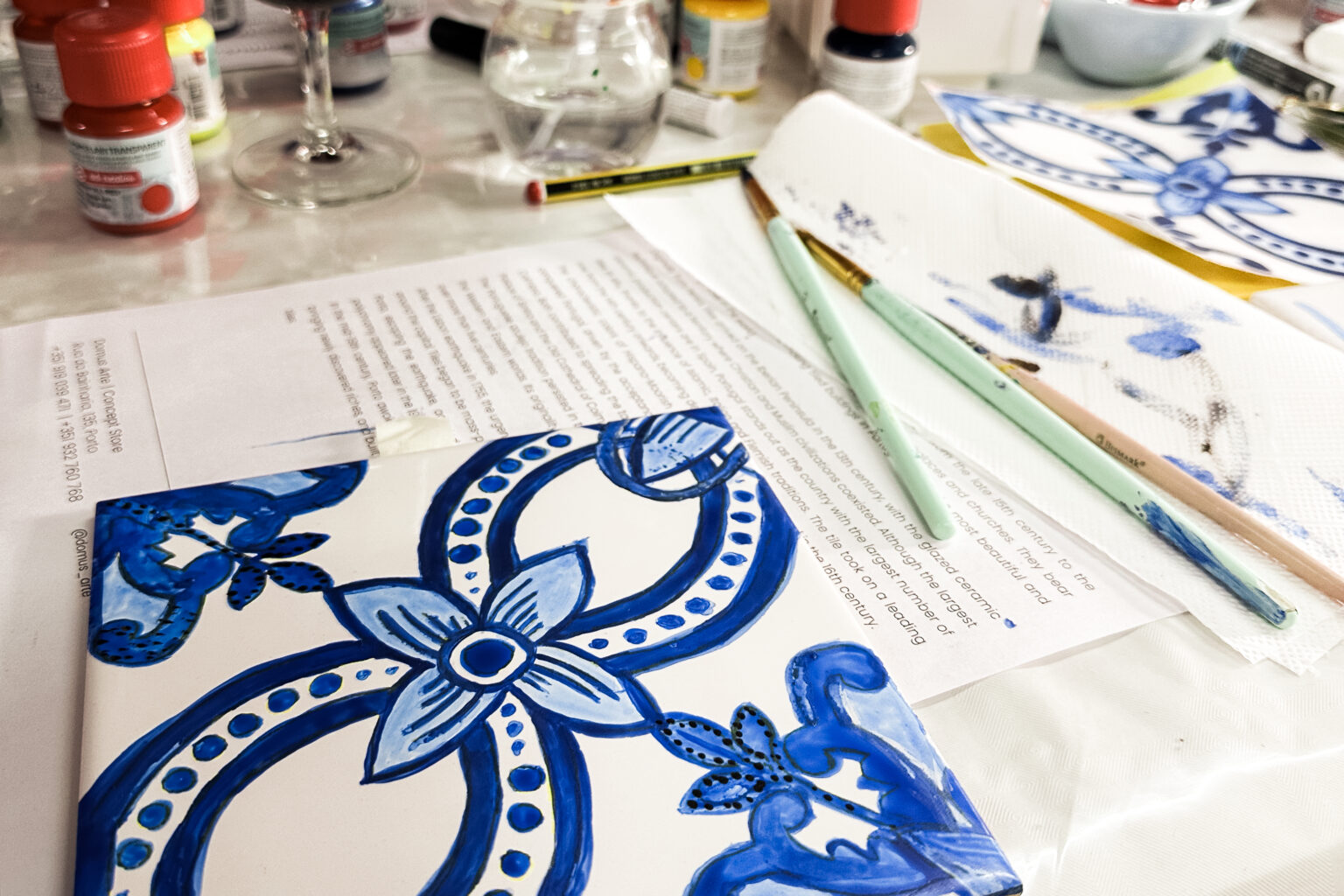
After spending the morning admiring the famous tiles around Porto, the next experience allows you to create one yourself. Joining an azulejo workshop is one of the most unique and meaningful cultural activities in the city. This was one of my highlights from Porto!

During our visit, we spent an afternoon in a small studio where a local artist welcomed us warmly and introduced us to the fascinating history of Portuguese tiles. She had such an incredible energy — passionate, funny and deeply proud of the artistic traditions of her country.

Before we even picked up a brush, she told us stories about how tiles have been used across Portugal for centuries to decorate churches, palaces and public buildings. She showed us traditional patterns and explained how colours and motifs changed throughout different periods of Portuguese history.

Then came the fun part. Each participant received a blank ceramic tile and a palette of blue paint. The instructor moved between the tables, offering gentle guidance and encouragement while sharing small anecdotes about the craft. We were also offered a glass of traditional port wine and classic pastries during the workshop. It was such a lovely afternoon meeting other travelers from around the world and locals too.

What struck me most was how relaxed and joyful the atmosphere was. It didn’t matter whether your design turned out perfect or slightly crooked — the process itself was the experience.

At one point she leaned over our table, laughing as she showed us a simple trick to steady the brush when painting fine lines. Her enthusiasm made the entire workshop feel more like a creative gathering than a formal class.

After finishing the painting, the tiles were left to dry and fire in the kiln. Around two hours later we returned to collect our finished pieces.

Holding that small hand-painted tile in our hands felt surprisingly special. It wasn’t just a souvenir — it was a tiny piece of Porto’s artistic tradition that we had helped create ourselves.

For travellers looking for a more meaningful experience, this workshop is one of the best things to do in Porto.

So if you want a deeper connection to Portuguese culture, consider joining a traditional azulejo tile workshop where you can paint your own ceramic tile and learn about the history behind this beautiful craft. 

This experience you really cannot miss! Book your azulejo workshop here. 

Join a azulejo workshop paint tiles in Porto

13. Enjoy dinner and a traditionel Fado Show

As evening arrives, it is time to experience another important part of Portuguese culture: Fado music. Fado is a traditional music genre deeply connected to the soul of Portugal. The music is often emotional and poetic, performed with a Portuguese guitar and powerful vocals that tell stories of love, longing and nostalgia.

The word “saudade” — a uniquely Portuguese feeling of bittersweet longing — is often used to describe the emotional tone of Fado. And I get it!

Because of its cultural significance, Fado music has been recognised by UNESCO as part of the world’s intangible cultural heritage. One of the most atmospheric ways to experience it is by attending a small fado show in the historic centre of Porto.

Many venues combine dinner with live music, allowing visitors to enjoy traditional Portuguese dishes while listening to the performance. As the singer’s voice fills the room and the guitar strings echo softly through the space, the atmosphere becomes almost hypnotic.

Even if you do not understand the lyrics, the emotion behind the music is unmistakable. I really think that listening to a live fado show is a beautiful way to end a day spent exploring the culture and artistic traditions of Porto. 

Reserve your seat for a traditional Fado show here.

Where to eat in Porto?

If not included in your show ticket to the Fado show, fill your stomach at a relaxed dinner in one of the many atmospheric restaurants in the historic centre.

One beautiful option is Taberna dos Mercadores, a small traditional restaurant tucked away in the Ribeira district. The restaurant is tiny and often fully booked, but if you manage to get a table, you will be rewarded with authentic Portuguese dishes such as grilled octopus or salt cod prepared in traditional ways.

Another excellent choice is Cantinho do Avillez, run by Portuguese chef José Avillez. Located near Avenida dos Aliados, the restaurant offers a more contemporary take on Portuguese cuisine while still celebrating traditional flavours.
For more Michelin kind of experiences I prefer Cozinha das Flores or Taberna dos Mercadores. 

If you rather prefer something casual before the music begins, there are also many small local restaurants around Cais da Ribeira, where you can enjoy seafood, tapas and a glass of wine while looking out over the Douro River.

Day 3 in Porto: A day trip to Duoro Valley

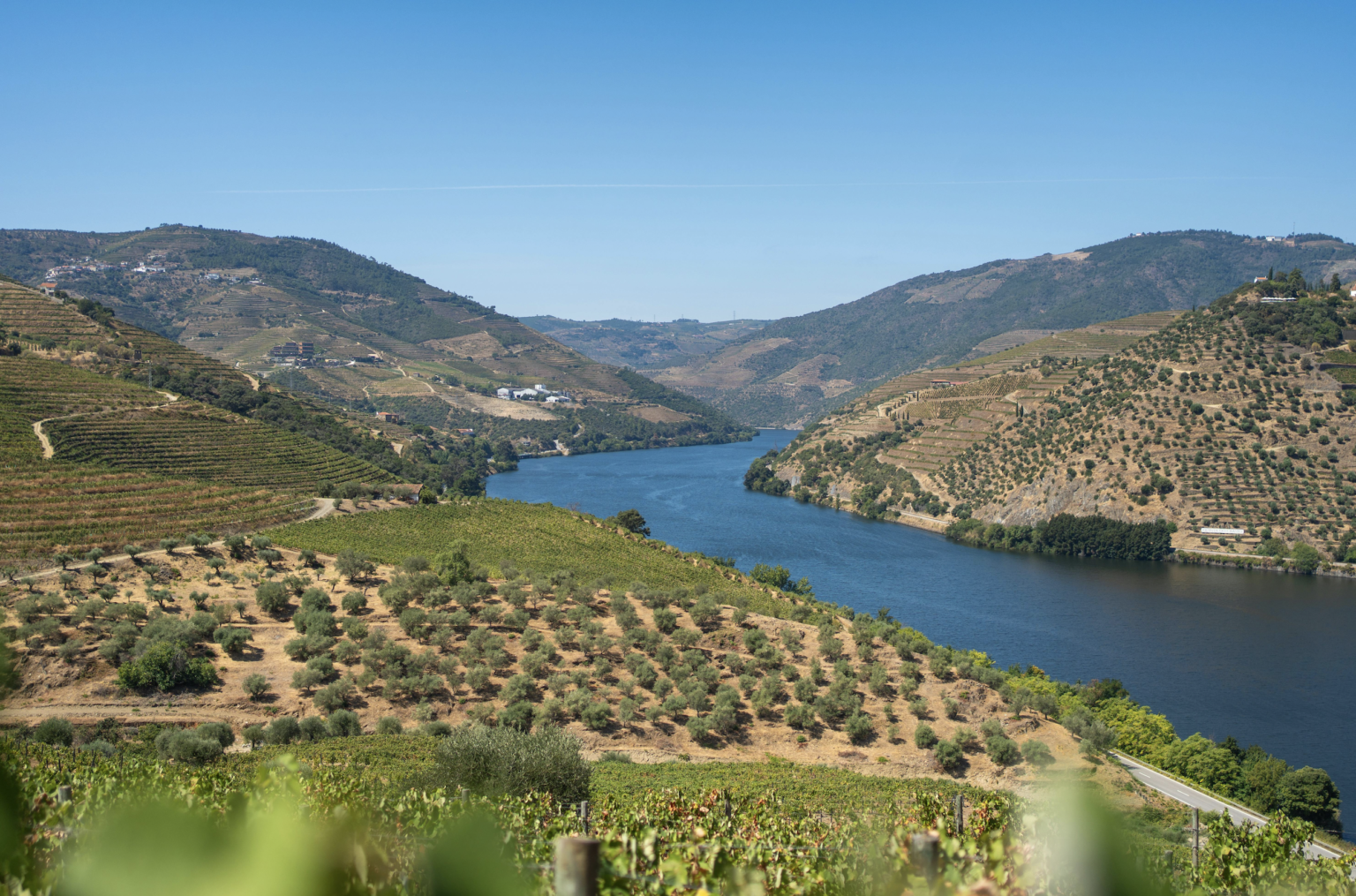
If you have time for just one day trip from Porto, make it to the Douro Valley. Located about 120 kilometres east of the city of Porto, this breathtaking landscape in northern Portugal is one of the most beautiful wine regions in Europe. The valley follows the winding Douro River, where steep hillsides have been transformed into endless terraces of vineyards that cascade down toward the water.

Driving into the Douro Valley feels like entering a completely different world from the lively streets of Portugal’s second city. The pace slows, the air feels warmer and the scenery becomes increasingly dramatic as the road curves through the hills. For many travellers, this region quickly becomes one of the best places to visit in Portugal.

Douro Valley Day Trip Porto Daytrip

14. Best way to experience Duoro Valley from Porto

The Douro Valley is not only famous for its scenery — it is also historically significant. In fact, it is considered the oldest demarcated wine region in the world, officially established in 1756, I was told by my guide. 

For centuries, the valley has produced the grapes used to create the world-famous port wine stored in the port wine cellars of Vila Nova de Gaia. The connection between the valley and the city of Porto has shaped the region’s economy, culture and traditions for generations. Today the Douro Valley is recognised as a UNESCO World Heritage Site, celebrated for both its historic vineyards and its cultural landscape.

Standing among the rolling vineyards and looking out across the Douro River, it is easy to understand why this region is so worth visiting.

There are several ways to explore the Douro Valley, but the best way for many travellers is to join a guided tour from Porto. A typical tour begins early in the morning, when a small group leaves the city centre and travels east into the mountains of northern Portugal. The journey itself is part of the experience. As the city fades behind you, the scenery gradually changes from urban streets to quiet villages, olive groves and terraced vineyards. Along the way your guide will often share stories about the region’s Portuguese history, explaining how wine production developed along the river and how the landscape was shaped over centuries. Many tours include stops at several traditional quintas — historic wine estates where the grapes are grown and harvested.  

👉 Let’s find your trip to Douro Valley – it will be such a wonderful experience

Wine tasting at historic wineries in Douro Valley
Visiting a traditional winery is one of the highlights of any Douro Valley day tripAt these estates, guests are often welcomed into historic cellars and tasting rooms where winemakers explain the process of producing both port wine and regional table wines. During a typical wine tasting, you might sample several varieties of port wine, including ruby, tawny and vintage ports, alongside fresh white and red wines produced in the valley. Some wineries offer tastings on outdoor terraces overlooking the vineyards and the Douro River, making the experience even more memorable. Sitting there with a glass of wine in hand, surrounded by endless rows of vines and quiet hills, it quickly becomes clear why this region is considered one of the most beautiful places in Portugal. 

Traditional lunch in the vineyards of Douro Valley
Many guided tours also include a traditional Portuguese lunch served at one of the local wineries. These meals often highlight regional ingredients from northern Portugal, such as grilled meats, fresh vegetables, olive oil and rustic bread. Paired with wines produced directly on the estate, the meal becomes an authentic taste of the region’s culinary traditions. Long tables, vineyard views and a relaxed atmosphere make the lunch feel less like a tour stop and more like a gathering among friends. It is one of those travel moments where time seems to slow down completely. 

Do a boat trip on the Douro River
Another unforgettable part of the day is often a relaxing boat trip on the Douro River. From the water, the landscape looks even more dramatic. Vineyards climb the hillsides on both sides of the river while small villages appear between the terraces. The slow movement of the boat allows you to take in the scale of the valley — the steep slopes, the winding river and the quiet beauty of this historic wine region.

It is the perfect spot to pause, breathe deeply and appreciate the extraordinary scenery. I really recommend taking your time for a visit to Douro Valley when in Porto.

👉 Planning your trip to Porto? Find the best hotels in Porto here.

River in Porto Portwine history

What is the best time to visit Porto?

Porto is beautiful year-round, but my recommendations for the best months to visit are:

  • April – June

  • September – October

During these months the weather is warm, the crowds are smaller and the light over the Douro River is especially magical.

Final thoughts: Why Porto should be your next city break

Porto is not a city that reveals itself all at once.

It unfolds slowly — through the taste of port wine, the echo of footsteps in narrow streets and the warm glow of sunset over the river. It is a place where history, culture and everyday life blend into something truly special.

And perhaps that is exactly why Porto keeps drawing travellers back again and again.

If you enjoyed this post about Best things to do in Porto, do not miss the chance to sign up  the°travelers’club where you can ask and find questions and answers to all questions you can have to travel, destinations, photography, slow traveling and much more.  

Do you like this post? Pin it and save for later!

Sharing is caring! thank you <3 


Until next time,
Safe Travels

Sign up the°travelers'letter

Get the most out of your travels & join the travelers’letter for free today! Signing up you will be a part of the travelers’community newsletter and the first to know about exclusive content, stories, trips & giveaways.